
York/Seward County Problem-Solving Court Graduates Two Participants
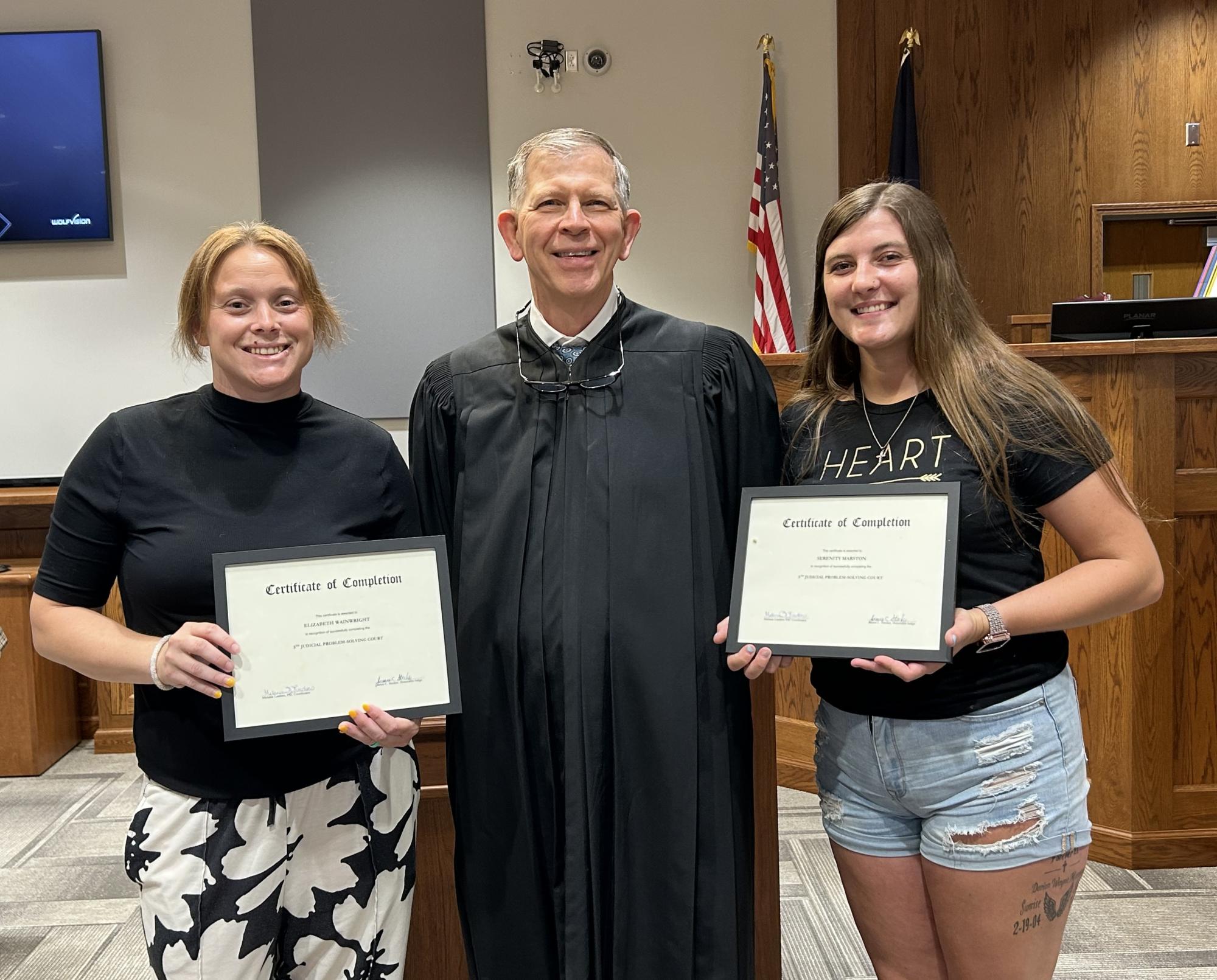
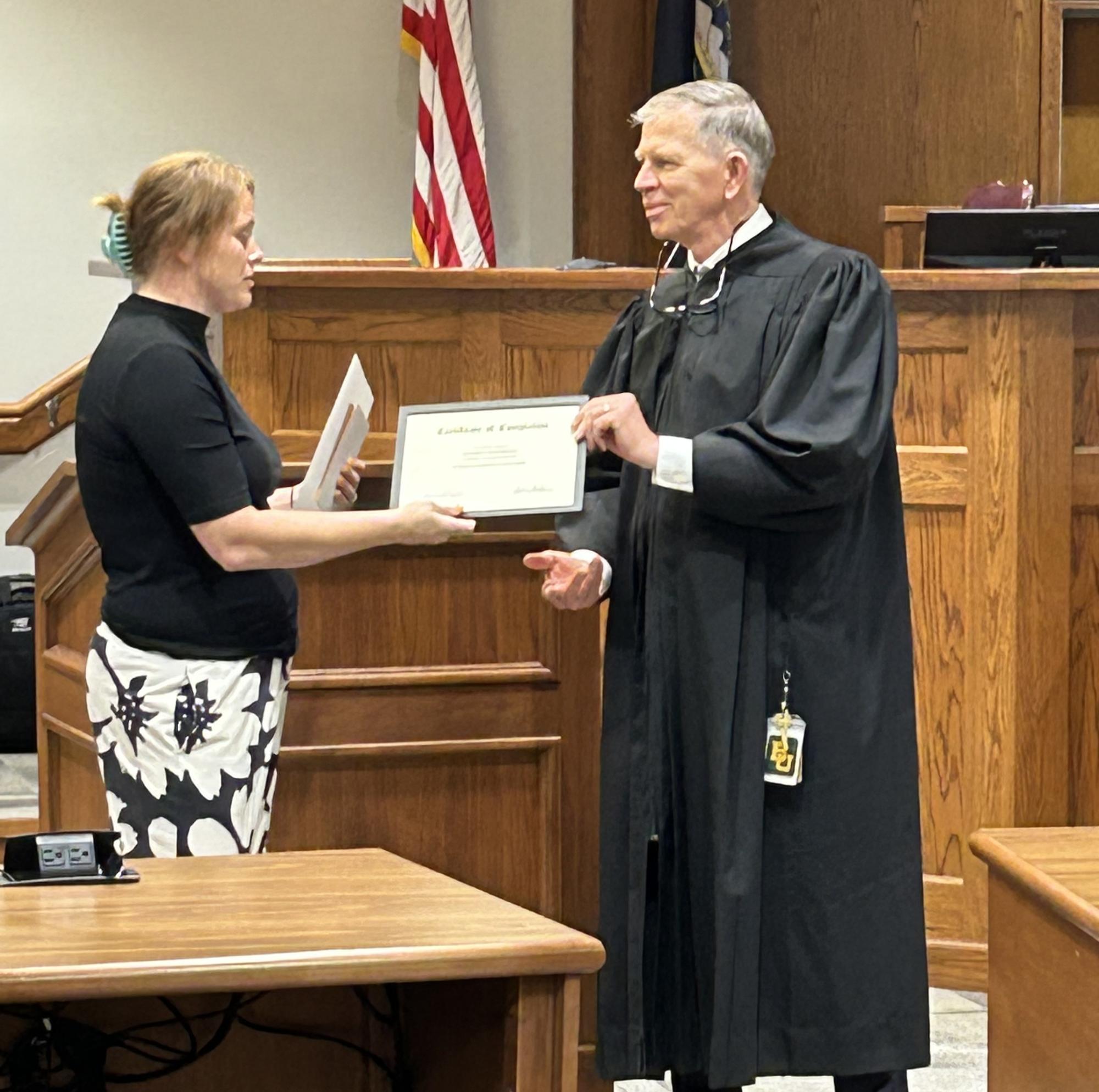
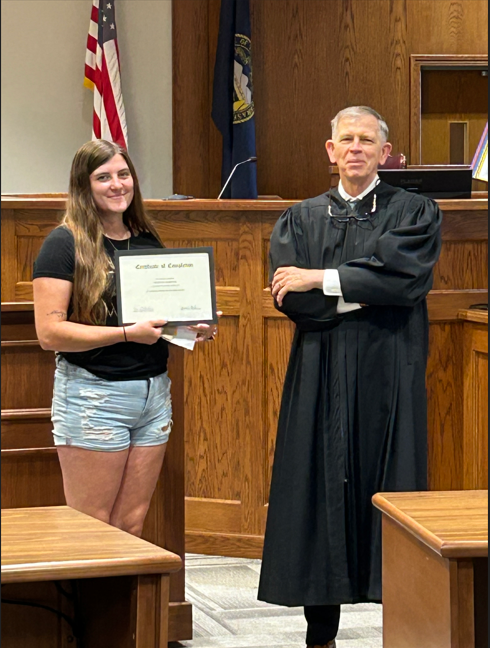
On July 6, 2026, the Fifth Judicial District Problem-Solving Court serving York and Seward Counties celebrated the graduation of Elizabeth and Serenity. The Honorable James C. Stecker presided over the ceremony, which was attended by York and Seward County board members, Senator Jana Hughes, probation staff, and the graduates' family members and friends.
The ceremony recognized Elizabeth and Serenity for successfully completing an intensive and highly structured program that combines comprehensive behavioral health treatment, intensive community supervision, and a strong emphasis on personal accountability. Their graduation reflected months of dedication, perseverance, and commitment to building healthier, more stable lives.
During the ceremony, both graduates expressed heartfelt gratitude to those who supported them throughout their recovery journey. Elizabeth shared, "Thank you, everybody. If it wasn't for you supporting me, I'm not sure where I'd be. Thank you for everything." Serenity reflected, "Thanks to everybody in this room for supporting me, especially Brandi. You see me as a person, not just a criminal. Problem-Solving Court has definitely given me a different outlook."
Problem-Solving Court graduations provide an opportunity to recognize the significant progress participants have made while celebrating the commitment, resilience, and determination required to achieve lasting change. The ceremonies also serve as an inspiration to current participants by demonstrating that recovery and success are possible through hard work, accountability, and support.
Problem-Solving Courts offer an alternative to traditional criminal justice proceedings for eligible individuals with substance use disorders. Using a collaborative, multidisciplinary approach, these courts address the underlying causes of criminal behavior through evidence-based treatment, judicial oversight, and community support. Participants engage in validated risk and needs assessments, individualized treatment plans, frequent and random drug testing, regular court appearances, and a structured system of incentives and sanctions. The primary goals of Problem-Solving Courts are to reduce recidivism, enhance public safety, and promote long-term recovery by helping participants build healthy, stable, and productive lives.
For additional information, please contact:
Mel Lueders, Problem-Solving Court Coordinator
Phone: (402) 362-6540 Email: mel.lueders@nejudicial.gov
Photos: Graduate Elizabeth, Judge James Stecker, and Graduate Serenity.